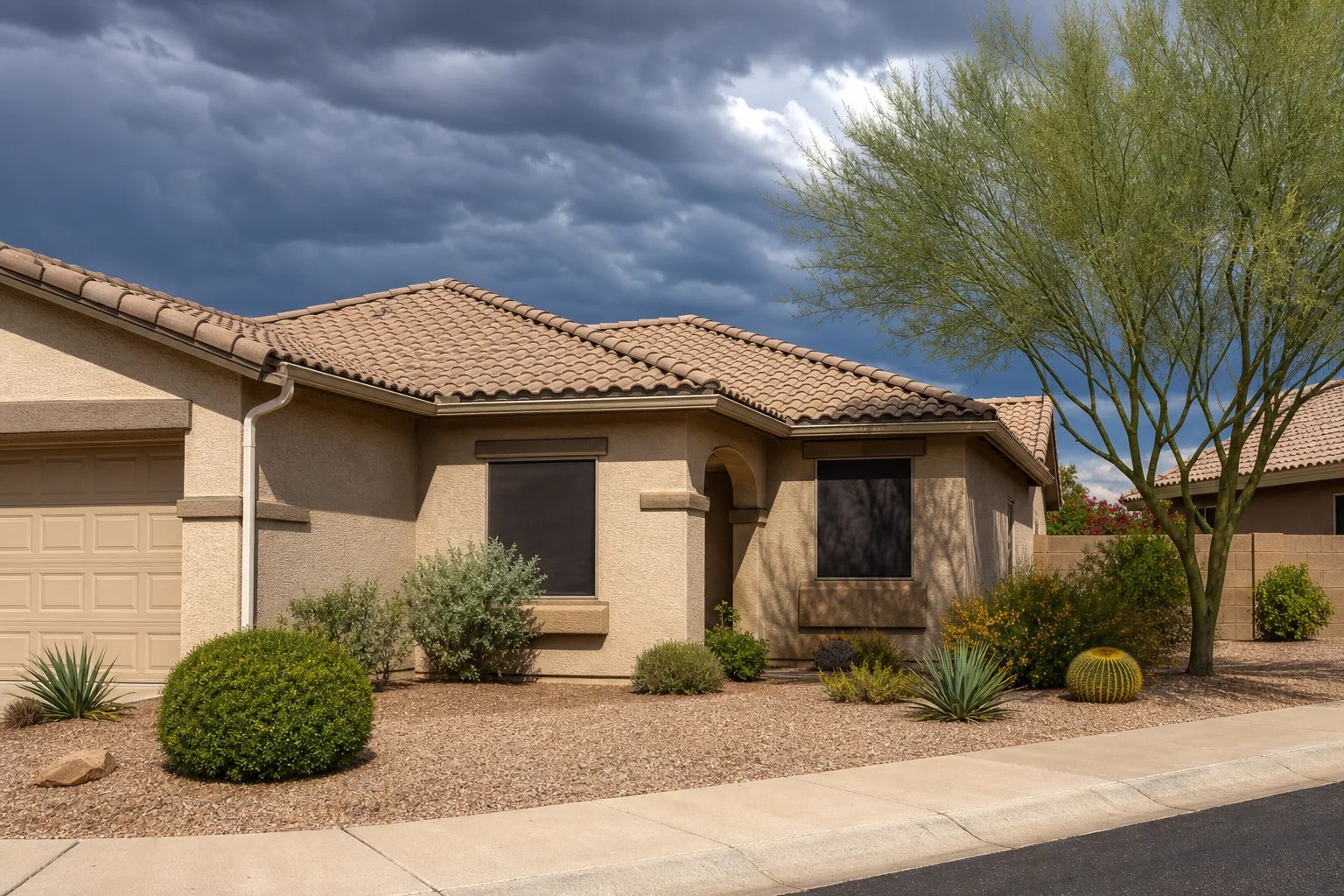
What should Phoenix homeowners check before summer?
Start with the systems that protect comfort and safety: cooling, air sealing, shade, water, and anything that could become a problem during monsoon wind or rain.
You do not need to turn this into a giant renovation. I like a three-list approach:
- Things you can inspect or clean now
- Small repairs worth scheduling before the hottest part of the year
- Licensed or specialist work that should not wait for a failure
I am Joe, the solo operator behind HandyMack. I handle the handyman-sized and home-tech items around the North Valley. HVAC diagnosis, roof repair, panel work, new electrical wiring, and licensed plumbing belong with the appropriate licensed contractor.
Cooling and airflow
- Check the HVAC filter. Use the size and replacement interval recommended for your system and filter. A dirty filter can restrict airflow. The U.S. Department of Energy recommends checking filters regularly during the cooling season; see its air-conditioner maintenance guidance.
- Make sure supply and return grilles are open and unobstructed. Move furniture, rugs, or stored items that block airflow.
- Test the thermostat before a hot afternoon. Confirm the display, cooling mode, schedule, and temperature response. If it behaves unpredictably, call an HVAC professional rather than guessing at the equipment.
- Look at the outdoor unit from a safe distance. Remove loose leaves or obvious clutter around it without opening panels or bending fins. Follow the manufacturer or HVAC contractor's clearance guidance.
- Run each ceiling fan and listen. Clean the blades, check for unusual wobble or noise, and confirm the fan creates a downward breeze for summer comfort if that is how the model is designed.
Schedule a licensed HVAC company for refrigerant work, electrical diagnosis inside the equipment, coil service beyond normal owner maintenance, weak cooling, icing, leaks, burning smells, or repeated breaker trips.
Doors, windows, and shade
Air leaks are often easier to feel and see than homeowners expect.
- Look for daylight around exterior doors.
- Check whether weatherstripping is brittle, torn, compressed, or missing.
- Inspect accessible caulk joints around window and door trim for gaps.
- Make sure doors latch without needing to be lifted or forced.
- Close blinds or shades on windows that receive strong afternoon sun.
- Check that exterior shade screens are secure before monsoon winds.
The Department of Energy's air-sealing guidance explains why uncontrolled leaks affect comfort and energy use. Small weatherstripping or caulk repairs can be handyman work. Glass failure, water intrusion, structural movement, or a full window replacement needs the right specialist.
Ceiling fans and smart thermostats
A fan does not cool an empty room; it makes occupants feel cooler through air movement. Turn it off when nobody is there.
For a fan replacement, confirm the existing box is fan-rated and the project uses the existing wiring and controls. New fan locations, new wiring, circuits, or electrical controls go to a licensed electrician. My ceiling-fan replacement guide explains that line in more detail.
A smart thermostat can be useful when it matches the HVAC equipment and available wiring. Compatibility comes first. For compatible devices that do not require new wiring, see my smart-home setup service. Heat pumps, multi-stage systems, communicating equipment, and missing common wires may require an HVAC or licensed electrical professional. I can help with a straightforward compatible swap, but I do not bypass manufacturer requirements.
Water and irrigation
- Walk each irrigation zone and look for broken emitters, split tubing, spraying heads, and water flowing onto pavement.
- Check hose bibs and visible supply connections for active leaks.
- Look below sinks and around toilets for moisture, staining, or a cabinet floor that feels swollen.
- Make sure the water-heater area is dry and clear of stored items.
- Know where the home's main water shutoff is before an emergency.
Use the controller's current seasonal guidance rather than copying an old schedule. Arizona's Department of Water Resources offers homeowner conservation resources through Arizona Water Facts.
I handle simple general repairs within handyman scope. Hidden leaks, drain or sewer problems, gas appliances, water-heater repair, supply-line changes, and licensed plumbing work go to a licensed plumber.
Roof, exterior, and monsoon readiness
Do a ground-level walk around the house:
- Look for loose or missing roof material, damaged flashing you can see from below, or new ceiling stains indoors.
- Check stucco and exterior penetrations for obvious open gaps.
- Secure light patio items and confirm gates latch properly.
- Inspect accessible exterior lights and covers for cracks or loose parts.
- Trim small, reachable vegetation away from walkways and equipment.
- Have large, dead, or roof-overhanging limbs evaluated by a qualified tree professional.
- Clear accessible patio and yard drains without climbing onto the roof.
Do not climb onto a hot or questionable roof to “take a quick look.” Roof repair and waterproofing belong with a qualified roofing contractor. Treat downed lines, damaged service equipment, or anything touching electrical conductors as an emergency and keep away.
The National Weather Service's Phoenix office maintains Arizona monsoon safety information for dust, wind, lightning, flash flooding, and extreme heat.
Electrical safety check
Homeowners can do a limited visual and functional check without removing covers:
- Test accessible GFCI receptacles using their test and reset buttons, following the device instructions.
- Look for cracked cover plates, loose devices, scorch marks, or damaged cords.
- Pay attention to repeated breaker trips, buzzing, burning odors, or unusual heat.
- Keep the electrical panel accessible, but do not remove its cover.
Panel work, breaker replacement, new receptacles, circuits, or wiring troubleshooting belongs with a licensed electrician. If you smell burning or see smoke or active arcing, leave the area and call emergency services.
A one-hour homeowner walk-through
If the full list feels like too much, start here:
- Check the HVAC filter.
- Run the cooling system early in the day.
- Walk the doors and windows for obvious gaps.
- Run each ceiling fan.
- Test irrigation one zone at a time.
- Look under sinks and around the water heater.
- Walk the exterior from the ground.
- Confirm gates and outdoor items are secure.
- Write down anything that needs a licensed pro.
That hour will not diagnose every system, but it gives you a useful action list before the weather makes scheduling harder.
What HandyMack can take off your list
My general handyman service covers suitable home-maintenance items, and I can also help with tech items such as:
- Weatherstripping and small accessible caulk repairs
- Straightforward ceiling-fan replacement at an existing fan-rated box
- Compatible smart-thermostat swaps using the existing setup
- Filter replacement and basic device setup
- Gate, hardware, fixture, and general repair items
- Wi-Fi and smart-home reliability checks
I do not offer a vague “whole-home assessment,” and I do not perform licensed HVAC, roofing, plumbing, or electrical work. Send the actual list and photos through the quote page. I will tell you what fits my scope and what should go directly to a licensed specialist.
Phoenix summer maintenance FAQs
When should I start this checklist?
Start before you depend on the cooling system every day. If summer is already underway, prioritize safety, active leaks, cooling problems, and anything exposed to monsoon weather.
How often should I change my AC filter?
Follow the HVAC and filter manufacturers' guidance. Check it regularly during heavy cooling use and replace it when dirty rather than relying on one universal schedule.
Can HandyMack service my air conditioner?
No. I can help with an accessible filter change or a compatible thermostat swap, but HVAC diagnosis, tune-ups, refrigerant, equipment wiring, and repair belong with a licensed HVAC contractor.
Can HandyMack install a ceiling fan?
I can replace a fan at an existing fan-rated box when the existing wiring, controls, access, and new fan are appropriate. New locations or electrical changes go to a licensed electrician.
Do you cover all of Phoenix?
I am based in the North Valley and serve Phoenix, Peoria, Surprise, Sun City, and Glendale. Scottsdale is considered case by case. The service-area page has the current coverage details.